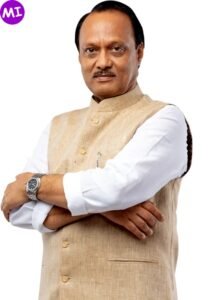

Yerima Shettima Biography
Yerima Shettima Biography – Discover the inspiring story of Yerima Shettima, President of Arewa Youth Consultative Forum. Learn about his activism, political career, controversies, and role as Northern Nigeria’s influential voice.
Yerima Shettima Biography: Voice of Northern Nigeria
Yerima Usman Shettima, born on May 28, 1974, in Zaria, Kaduna State, Nigeria, is a prominent human rights activist, citizen reporter, writer, pro-democracy advocate, and business leader. As the founder and president-general of the Arewa Youths Consultative Forum (AYCF), Shettima has positioned himself as one of the most vocal and controversial figures in Northern Nigerian politics and activism. His name regularly appears in headlines across Nigeria as he fearlessly weighs in on national issues, from security challenges and tax reforms to ethnic relations and government accountability.
Yerima Shettima represents a unique blend of activism, business acumen, and political ambition. He is simultaneously praised as a bridge-builder promoting national unity and criticized as a controversial figure whose statements often spark heated debates. In October 2025, the Igbo community in Kaduna conferred the honorary chieftaincy title of “Ezi Enyi Ndi Abia” (Good Friend of Abia) on him in recognition of his contributions to peace, unity, and inter-ethnic harmony across Nigeria. Yet, his calls for emergency rule in states and his criticism of various governments have also drawn sharp rebukes from political groups who question his motives and legitimacy.
What makes Shettima particularly fascinating is his willingness to take controversial positions that many shy away from. Whether condemning mob violence, challenging Northern governors over policy inconsistencies, or calling for states of emergency in crisis-hit regions, he remains unapologetically outspoken. His influence extends beyond the North, as his statements regularly shape national conversations about governance, security, and the future of Nigeria. Love him or loathe him, Yerima Shettima is impossible to ignore in the landscape of contemporary Nigerian activism and political discourse.
Early Life & Education: From Zaria to Academic Excellence
Yerima Shettima was born into a Fulani family and was raised in the Islamic faith. His birthplace, Zaria in Kaduna State, is one of Northern Nigeria’s most historically significant cities, renowned for its rich Islamic scholarship, ancient walls, and cultural heritage. Growing up in this environment exposed young Yerima to diverse perspectives, traditional values, and the complexities of Northern Nigerian society—experiences that would profoundly shape his future activism and leadership philosophy.
His early education began at Islamiya Primary School in Otukpo, Benue State, an interesting detail that reveals his family’s mobility and his exposure to life outside his home region. This early experience in Benue State, located in Nigeria’s Middle Belt region, gave him firsthand understanding of the diverse ethnic and cultural landscape that characterizes Nigeria. Such exposure would later inform his advocacy for national unity and inter-ethnic understanding.
He later attended Nico Commercial Secondary School in Cross River State, further broadening his geographic and cultural horizons. Cross River State, located in Southern Nigeria, is predominantly Christian and culturally distinct from Northern Nigeria. This educational journey through different regions of Nigeria—from the North to the Middle Belt to the South—provided Shettima with a uniquely comprehensive perspective on Nigerian diversity and the challenges of national unity.
His tertiary education began at Lagos State University (LASU), where he pursued and earned a Bachelor’s degree in Public Administration. The choice to study Public Administration reflected his early interest in governance, policy, and the machinery of government—knowledge that would prove invaluable in his later activism and political engagements. Lagos, Nigeria’s commercial capital and most cosmopolitan city, offered yet another dimension to his education, exposing him to the fast-paced, business-oriented culture of the South West.
Shettima later pursued a Master’s degree in Conflict Peace and Strategic Studies at Kaduna State University. This advanced degree is particularly significant given his career trajectory. Conflict resolution, peace studies, and strategic thinking are precisely the skill sets required for someone navigating Nigeria’s complex ethnic, religious, and political tensions. His academic focus on conflict and peace demonstrates a deliberate preparation for the role he would eventually assume as a mediator, advocate, and controversial voice in national affairs.
The combination of Public Administration at the undergraduate level and Conflict Peace and Strategic Studies at the graduate level provided Shettima with both theoretical frameworks and practical insights into governance challenges and conflict management—tools he would deploy throughout his career as an activist and political commentator.
Career Journey: From Business to Activism and Politics
Yerima Shettima’s career spans multiple sectors, demonstrating remarkable versatility and ambition. His professional journey reflects a deliberate strategy to build influence through business success, organizational leadership, and political engagement.
Shettima began his career as a self-employed entrepreneur, eventually becoming the Chairman of Shehalfat Properties and Logistics Limited in Kaduna State. Establishing and managing a successful business in the highly competitive real estate and logistics sectors required entrepreneurial skill, strategic thinking, and the ability to navigate Nigeria’s challenging business environment. Shehalfat Properties and Logistics became his economic foundation, providing the financial independence necessary for his activism and political ambitions.
His activism career began during Nigeria’s struggle for democracy. He was an active member of NADECO (National Democratic Coalition), the pro-democracy movement that fought against military dictatorship in Nigeria during the 1990s. This was a dangerous period when activists faced harassment, detention, and even death for opposing military rule. Shettima’s involvement with NADECO during this perilous time demonstrates courage and commitment to democratic principles.
Between 2004 and 2006, Yerima Usman Shettima served as Youth Director of PRONACO (Pro-National Conference Organization) alongside legendary activists like Wole Soyinka, Anthony Enahoro, and Beko Ransom Kuti. Working with such iconic figures in Nigeria’s democratic struggle provided invaluable mentorship and positioned Shettima within elite activist circles. PRONACO advocated for a sovereign national conference to address Nigeria’s fundamental structural issues—a cause that remains relevant in contemporary Nigerian discourse.
He was also one of the pioneers of the Save Nigeria Group led by Pastor Tunde Bakare, a movement that mobilized Nigerians against corruption and bad governance. These affiliations with prominent pro-democracy movements established Shettima’s credentials as a committed activist willing to challenge power.
The founding of the Arewa Youths Consultative Forum (AYCF) represents Shettima’s most significant organizational achievement. He was elected as the National President of the AYCF in 2007, a position he has held for nearly two decades. The AYCF, under his leadership, has become one of the most vocal youth organizations representing Northern Nigerian interests. The forum regularly issues statements on national issues, organizes conferences, and attempts to shape policy discussions affecting the North.
Shettima’s political ambitions have led him to contest for various offices. He began his formal political career as the first National Vice Chairman for the North East of the Democratic Party for a People’s Federation (DPPF), led by Professor Wole Soyinka. In 2011, Shettima became the vice-presidential candidate of the Liberal Democratic Party of Nigeria (LDPN), though the campaign was unsuccessful. He became the presidential candidate under the YDP (Young Democratic Party) in 2014, and also contested for the House of Representatives representing Kaduna North in 2019.
Despite these electoral defeats, Shettima has remained politically active and influential. He currently serves as Convener of the Northern Stakeholders Consultative Forum (NSCF) and is a 2027 Senatorial hopeful for Kaduna Central under the All Progressives Congress (APC), indicating his continued political ambitions and determination to secure elected office.
Throughout his career, Shettima has skillfully leveraged media platforms to amplify his voice. His regular press statements, media interviews, and social media presence have made him one of Nigeria’s most quoted activists. Whether the topic is security, governance, ethnic relations, or economic policy, Shettima consistently positions himself at the center of national conversations.
Major Achievements: Recognition and Influence
Yerima Shettima’s achievements are best measured not through traditional awards but through his influence, organizational leadership, and recognition from diverse communities across Nigeria.
Organizational Leadership: His nearly two-decade tenure as President-General of the Arewa Youths Consultative Forum represents his most significant institutional achievement. Building and sustaining a prominent youth organization that regularly shapes public discourse requires exceptional leadership, strategic vision, and the ability to mobilize support. Under his leadership, the AYCF has become synonymous with Northern Nigerian youth advocacy.
Inter-Ethnic Bridge-Building: The conferment of the chieftaincy title “Ezi Enyi Ndi Abia” (Good Friend of Abia) by the Igbo community in Kaduna in October 2025 represents significant recognition of Shettima’s efforts at promoting inter-ethnic harmony. For a Northern Muslim activist to receive such honor from the Igbo community—particularly given Nigeria’s history of ethnic tensions—demonstrates genuine respect and appreciation for his peace-building efforts.
His Royal Highness, Eze (Dr.) Silvanus Aleke, Eze Igbo of Kaduna, described Shettima as “a visionary leader and a bridge-builder whose leadership reflects fairness, tolerance, and inclusiveness”. Such endorsements from leaders of different ethnic groups underscore Shettima’s success in building coalitions across Nigeria’s divides.
Advocacy Impact: Shettima has successfully brought attention to critical issues affecting Northern Nigeria, including security challenges, educational access, infrastructure deficits, and youth unemployment. His advocacy work has forced government officials to respond to concerns they might otherwise have ignored.
He has received several honors including an Honorary Award from the Ijaw Youth Development Association, recognition from the Centre for Resolution and NGOs promoting peace and unity, the Icon of Peace and Conflict award, and appointment as Global Forum for Peace Justice and Human Rights Ambassador for Peace. These diverse recognitions from different Nigerian communities demonstrate the breadth of his influence.
Media Influence: Shettima has built a powerful media presence, with his statements regularly featured in Nigeria’s major newspapers, online platforms, and broadcast media. His ability to command media attention and shape public discourse represents a significant achievement in Nigeria’s crowded activist landscape.
Survival and Resilience: Shettima has on many occasions been detained by the Directorate of Security Service (DSS) and held in police cells for standing up for democracy, equal rights, freedom, and justice in Nigeria. His survival of these encounters with security agencies—particularly during military rule when many activists died in detention—represents both personal resilience and professional achievement.
Political Persistence: Despite multiple electoral defeats, Shettima has maintained political relevance and continues to pursue elected office. His resilience in the face of political setbacks demonstrates determination and long-term strategic thinking.
Personal Life: Family, Faith, and Controversies
Yerima Shettima is married to two wives, Hajiya Halima Shettima and Hajiya Fatima Shettima, and they are blessed with children. His practice of polygamy is consistent with his Islamic faith and cultural background. While polygamy is legally and culturally accepted in Northern Nigeria, his personal life choices have occasionally become subjects of public discussion, particularly given his advocacy on women’s rights and family issues.
Shettima’s religious identity as a devout Muslim informs much of his worldview and activism. His Islamic faith shapes his perspectives on social issues, family structure, and community organization. He has been vocal about preserving Islamic values and traditions in Northern Nigeria while also advocating for educational advancement and development.
However, Shettima’s views on certain social issues have sparked considerable controversy. His views on women’s rights and his support for practices like polygamy and child marriage have sparked debates. These positions have drawn criticism from women’s rights activists, progressive groups, and those who view such practices as harmful to girls and women. Critics argue that his stances on these issues contradict his claims of advocating for the welfare of Northern communities, particularly given the documented negative impacts of child marriage on girls’ education, health, and opportunities.
The controversies surrounding his social views reflect broader tensions within Nigerian society between traditional cultural practices and modern human rights standards. Shettima represents a particular strain of Northern Nigerian conservatism that seeks to preserve traditional values while also advocating for economic development and political empowerment.
Despite these controversies, Shettima maintains that his positions reflect the authentic values of the communities he represents. He argues that outsiders should not impose their values on Northern communities that have different cultural and religious frameworks for understanding family, marriage, and social organization.
Beyond his marriages and religious practice, Shettima maintains a relatively private personal life. Unlike many public figures who share extensive details about their daily activities on social media, Shettima’s public profile focuses primarily on political and social commentary rather than personal matters.
Friends and associates describe him as a strategic thinker, a skilled networker, and someone who carefully cultivates relationships across Nigeria’s diverse political and social landscape. His ability to maintain friendships and alliances across ethnic and religious lines—as evidenced by the chieftaincy title from the Igbo community—suggests personal warmth and diplomatic skills that complement his public persona as a provocative activist.
Net Worth & Lifestyle: The Economics of Activism
There is no documented net worth of Yerima Shettima. As is common with activists and political figures in Nigeria, precise financial details remain closely guarded. However, several factors provide insight into his economic situation.
As the Chairman of Shehalfat Properties and Logistics Limited, Shettima has established a solid business foundation. Real estate and logistics are lucrative sectors in Nigeria, particularly in commercial hubs like Kaduna. Successful entrepreneurs in these industries can accumulate significant wealth through property development, rental income, and transportation services. His business ventures provide the financial independence necessary to sustain his activism without depending on external funding that might compromise his positions.
However, activism and politics in Nigeria are expensive endeavors. Running for political office requires substantial financial resources for campaigns, staff, logistics, and voter mobilization. Shettima’s multiple unsuccessful political campaigns—including bids for vice president, president, and House of Representatives—would have required significant investment with no electoral returns.
Maintaining organizational leadership of the AYCF also involves costs. While youth organizations typically operate with limited budgets, keeping such a prominent organization visible and active requires funding for statements, press conferences, travel, events, and administrative expenses.
Critics, particularly the Northern Democratic Movement (NDM), have suggested that Shettima’s activism is financially motivated. The NDM has accused him of receiving payments from political actors to advance specific agendas, describing his work as “a paid agenda” and suggesting he “auditions for patronage from political godfathers”. While these accusations remain unproven, they reflect the suspicion with which many view professional activists in Nigeria’s complex political landscape.
Shettima’s lifestyle appears relatively modest for someone of his public profile. He does not display the ostentatious wealth common among Nigerian politicians and businesspeople. His public appearances and statements focus on issues rather than personal luxury or material achievements.
One controversial aspect often raised by critics is that Shettima reportedly resides in Lagos rather than in Northern Nigeria. Critics argue this physical distance from the region he claims to represent raises questions about his authentic connection to Northern concerns. Supporters counter that Lagos is Nigeria’s commercial capital where many business owners and activists maintain bases while still serving their home regions.
The financial reality for Shettima likely involves a combination of business income, political connections, and strategic alliances that together sustain his activism and political ambitions. Unlike traditional politicians who often accumulate massive wealth through public office, Shettima’s wealth appears more modest, reflecting the reality that opposition activism and unsuccessful electoral campaigns are not pathways to riches in Nigerian politics.
Recent News & Trends: At the Center of National Debates
Yerima Shettima has remained remarkably active and controversial in 2025, consistently inserting himself into major national debates and regional crises.
Zamfara State of Emergency Controversy: In April 2025, Shettima called on President Bola Tinubu to declare a state of emergency in Zamfara State, citing deteriorating security and the alleged failure of Governor Dauda Lawal to address banditry. He stated that “armed groups have become increasingly emboldened, launching brazen attacks on innocent civilians, displacing families, and creating an atmosphere of fear and hopelessness”.
However, this call provoked fierce backlash. The Northern Democratic Movement (NDM) slammed Shettima, accusing him of political opportunism and claiming he was being used by a former Zamfara governor to destabilize the current administration. The NDM described Shettima’s call as “baseless and misguided,” noting that he resides in Lagos and is detached from the realities on the ground in Zamfara.
Tax Reform Bills Controversy: In January 2025, Shettima criticized Northern governors for their “volte-face” on President Tinubu’s proposed tax reform bills. He accused them of generating “needless controversy” and stated that their initial opposition was “a disservice to their people”. Shettima demanded accountability from the Northern governors over their sudden reversal, questioning what caused the “abrupt shift” in their position.
This criticism of Northern governors—who theoretically represent the same constituency as Shettima—demonstrates his willingness to challenge even regional allies when he believes they are acting against Northern interests or engaging in political manipulation.
Edo State Massacre Condemnation: In March 2025, the AYCF under Shettima’s leadership condemned the killing of 16 travelers from Northern Nigeria in the Udune Efandion community of Uromi, Edo State. These victims, primarily Hausa hunters traveling from Port Harcourt to Kano for Sallah festivities, were intercepted by local vigilantes and killed by an “irate mob” based on false accusations of kidnapping. Shettima’s strong condemnation of this “grotesque tragedy” highlighted ongoing tensions between Northern Nigerian communities and host populations in Southern states.
Honorary Recognition: In October 2025, Shettima received the honorary chieftaincy title “Ezi Enyi Ndi Abia” from the Igbo community in Kaduna during the Abia Cultural Day Celebration. This recognition provided a positive counterpoint to his various controversies, demonstrating that despite critics, he maintains significant respect and goodwill across ethnic lines.
Ongoing Political Activity: Shettima remains active in preparations for the 2027 elections, positioning himself as a potential senatorial candidate for Kaduna Central under the APC. His political maneuvering and relationship-building with various power brokers continue as he seeks to finally win elected office after multiple previous attempts.
These recent activities demonstrate Shettima’s continued relevance in Nigerian public discourse. Whether calling for emergency rule, criticizing governors, condemning violence, or receiving honors, he remains a figure who generates both admiration and controversy in equal measure.
Legacy & Impact: A Complex and Contested Influence
Yerima Shettima’s legacy is complex, contested, and still being written. His impact on Nigerian public life reflects both genuine contributions to important conversations and legitimate questions about his methods, motives, and consistency.
Voice for the North: Shettima has undeniably given voice to Northern Nigerian concerns in the national arena. His willingness to challenge federal policies perceived as harmful to the North, to demand accountability from leaders, and to highlight security and development challenges has made him an important conduit for Northern grievances. For many Northern youths, he represents someone willing to speak truth to power regardless of consequences.
Bridge-Builder Across Divides: His receipt of the “Ezi Enyi Ndi Abia” title from the Igbo community demonstrates success in building bridges across Nigeria’s ethnic divides. In a country frequently torn by ethnic and religious tensions, any figure who can earn genuine respect from multiple communities makes a valuable contribution to national cohesion. Shettima’s ability to maintain relationships with diverse groups—from Northern Muslims to Southern Christians to various ethnic communities—represents an important skill in Nigeria’s fractured political landscape.
Democratic Activist: His involvement in NADECO, PRONACO, and the Save Nigeria Group during Nigeria’s darkest days of military dictatorship established his credentials as someone willing to risk personal safety for democratic principles. Having stood against military dictators when doing so was genuinely dangerous gives him credibility that newer activists lack.
Controversial Legacy: However, Shettima’s legacy includes significant controversy. His support for practices like child marriage has drawn criticism from human rights advocates who argue such positions harm vulnerable girls. His calls for states of emergency and inflammatory statements about various governments have led critics to question whether he promotes stability or chaos.
The accusations of political opportunism—particularly the claim that he lives in Lagos while claiming to represent Northern interests—raise questions about authenticity. Critics describe him as someone who “exists only as a platform for him to audition for patronage from political godfathers” and someone who “weaponizes people’s pain for fame”. Whether these criticisms are fair or simply political attacks from rivals remains debatable.
Organizational Achievement: Whatever controversies surround him personally, Shettima has built and sustained the AYCF for nearly two decades—no small feat in Nigerian civil society where many organizations collapse quickly. The AYCF’s continued prominence and media presence demonstrate organizational and leadership skills that deserve recognition.
Media Savvy: Shettima’s ability to command media attention and insert himself into virtually every major national conversation demonstrates sophisticated media management skills. In Nigeria’s attention economy, where countless voices compete for recognition, Shettima has consistently maintained visibility and relevance.
Unfinished Political Journey: His repeated electoral defeats coupled with his announced 2027 senatorial ambitions mean Shettima’s political story remains unfinished. Whether he will finally achieve elected office or remain forever an activist outside government remains to be seen. His ultimate legacy may depend significantly on whether he eventually wins political power and what he does with it.
Catalyst for Conversation: Perhaps Shettima’s most enduring impact is forcing Nigerians to have difficult conversations about security, governance, ethnic relations, and regional development. Even when people disagree with his positions or question his motives, he succeeds in putting issues on the national agenda that might otherwise be ignored. In this sense, he serves as a catalyst—someone whose provocations generate debates that advance public understanding of complex issues.
Yerima Shettima will likely be remembered as a polarizing figure who both contributed to and complicated Nigerian public discourse. His supporters see a courageous activist willing to confront power and speak uncomfortable truths. His critics see an opportunist whose inflammatory statements serve personal ambition more than public good. The truth, as is often the case, likely lies somewhere in between.
Conclusion: A Voice That Demands Attention
Yerima Usman Shettima represents a fascinating study in Nigerian activism, politics, and public influence. From his birth in Zaria to his education across multiple Nigerian states, from his business success to his organizational leadership, from his democracy activism under military rule to his current role as a controversial commentator on national affairs, Shettima has lived a life deeply engaged with Nigeria’s challenges and possibilities.
His nearly two-decade leadership of the Arewa Youths Consultative Forum, his receipt of honors from diverse ethnic communities, his survival of military dictatorship, and his persistent pursuit of political office all demonstrate resilience, strategic thinking, and genuine commitment to public engagement—even when his specific positions prove controversial.
Whether Shettima is ultimately a bridge-builder or a provocateur, a genuine activist or a political opportunist, a voice for the voiceless or a self-promoter seeking relevance—these questions will be debated for years to come. What cannot be debated is his impact on Nigerian public discourse. For nearly two decades, he has been impossible to ignore, consistently injecting himself into conversations about the nation’s future.
As Nigeria continues to grapple with security challenges, ethnic tensions, economic struggles, and questions about national identity and purpose, voices like Shettima’s—however controversial—play an important role in forcing difficult conversations and demanding accountability from leaders. His legacy will ultimately be judged not by whether everyone agrees with him, but by whether his activism contributed to a more engaged, accountable, and just Nigerian society.
For young Nigerians considering paths of activism, public service, or political engagement, Shettima’s journey offers both inspiration and cautionary lessons. His courage in confronting power, his organizational skills, and his media savvy deserve study and emulation. His controversies, the questions about his consistency, and the criticism of his methods offer important lessons about the complexities and pitfalls of public activism.
As Yerima Shettima continues his journey—whether toward finally winning elected office in 2027 or continuing as an influential activist outside government—Nigeria will undoubtedly continue hearing from this polarizing but undeniably impactful voice from the North.
Frequently Asked Questions About Yerima Shettima
Yerima Usman Shettima is a Nigerian human rights activist, business leader, and politician born on May 28, 1974, in Zaria, Kaduna State. He is the founder and president-general of the Arewa Youths Consultative Forum (AYCF), one of Northern Nigeria’s most prominent youth organizations. He is also the Managing Director and CEO of Shehalfat Properties and Logistics.
Shettima attended Islamiya Primary School in Otukpo, Benue State, and Nico Commercial Secondary School in Cross River State. He earned a Bachelor’s degree in Public Administration from Lagos State University (LASU) and later completed a Master’s degree in Conflict Peace and Strategic Studies at Kaduna State University.
The AYCF is a prominent Northern Nigerian youth organization founded and led by Yerima Shettima since 2007. The forum advocates for Northern interests, addresses regional security and development challenges, and regularly issues statements on national issues affecting Nigeria and particularly the North.
Shettima was the vice-presidential candidate of the Liberal Democratic Party of Nigeria (LDPN) in 2011, the presidential candidate under the Young Democratic Party (YDP) in 2014, and contested for the House of Representatives representing Kaduna North in 2019. He is reportedly planning to contest for Kaduna Central Senate seat under the APC in 2027.
Shettima has been controversial for his views on women’s rights and his support for practices like polygamy and child marriage, which critics argue are harmful. He has also been accused by groups like the Northern Democratic Movement of political opportunism, living in Lagos while claiming to represent Northern interests, and making inflammatory statements for personal gain.
There is no documented net worth for Yerima Shettima. As Chairman of Shehalfat Properties and Logistics Limited, he has business income, but specific financial details remain undisclosed. His lifestyle appears relatively modest compared to many Nigerian politicians and businesspeople.
In October 2025, the Igbo community in Kaduna conferred the honorary chieftaincy title “Ezi Enyi Ndi Abia” (Good Friend of Abia) on him for promoting inter-ethnic harmony. He has also received honors from the Ijaw Youth Development Association, recognition as an Icon of Peace and Conflict, and appointment as Ambassador for Peace by the Global Forum for Peace Justice and Human Rights.
Shettima was an active member of NADECO (National Democratic Coalition) during the fight against military dictatorship in the 1990s. Between 2004 and 2006, he served as Youth Director of PRONACO alongside activists like Wole Soyinka, Anthony Enahoro, and Beko Ransom Kuti. He was also a pioneer member of the Save Nigeria Group led by Pastor Tunde Bakare.
In April 2025, Shettima called for a state of emergency in Zamfara State, which was criticized by the Northern Democratic Movement as politically motivated. In January 2025, he criticized Northern governors for their U-turn on President Tinubu’s tax reform bills. In March 2025, he condemned the killing of 16 Northern travelers in Edo State.
Yes, Yerima Shettima is married to two wives, Hajiya Halima Shettima and Hajiya Fatima Shettima, in accordance with Islamic law which permits polygamy. They are blessed with children, though specific details about his family remain private.
Related Biographies:
- Lieutenant AM Yerima Biography: Age, Net Worth, Early Life
- Sreeleela Biography: South India’s Dancing Sensation and Future Doctor
- Omoyele Sowore Biography: Nigeria’s Fearless Revolutionary
- William Wordsworth Biography: Father of Romantic Poetry