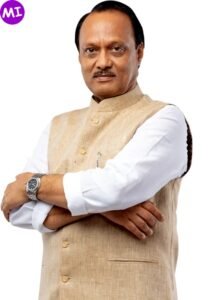

Dharmendra Biography
Dharmendra Biography – Discover Dharmendra’s inspiring journey from Punjab village to Bollywood legend. Learn about his iconic films, awards, family life, and his enduring legacy as India’s He-Man.
Dharmendra Biography: Bollywood’s Eternal He-Man
Dharmendra Singh Deol, universally known simply as Dharmendra, is one of the most iconic and enduring figures in Indian cinema history. Born on December 8, 1935, in the small village of Nasrali (also known as Sahnewal) in Ludhiana district, Punjab, this 89-year-old living legend has graced the silver screen for over six decades, appearing in more than 300 films. Nicknamed “He-Man” and “Garam Dharam” for his masculine charm, powerful screen presence, and action-hero persona, Dharmendra represents an era of Bollywood when stars were made not through marketing strategies but through sheer charisma, talent, and audience connection.
At the peak of his career in the 1960s, 70s, and 80s, Dharmendra was considered one of the most handsome men in the world—a distinction that opened doors but never defined his contributions. His acting ranged from intense dramatic performances in films like Satyakam to action-packed entertainers like Sholay, from romantic comedies to socially relevant cinema. He was equally comfortable delivering powerful dialogues, performing death-defying stunts, dancing with grace, and evoking deep emotions. This versatility made him not just a star but an institution.
What sets Dharmendra apart from many of his contemporaries is his longevity and adaptability. While many stars fade after their prime, Dharmendra successfully transitioned from romantic hero to action star, from leading man to character actor, and from performer to producer. He launched his sons Sunny Deol and Bobby Deol into successful film careers, and his grandson continues the family legacy. His personal life—marked by two marriages and a large, talented family—has been as compelling as his professional journey.
In November 2025, the film industry and millions of fans worldwide held their breath when the 89-year-old actor was hospitalized with breathing difficulties. False reports of his death circulated on social media and were even published by major news outlets, causing panic and grief. However, his family quickly clarified that he was stable and recovering. On November 12, 2025, Dharmendra was discharged from Mumbai’s Breach Candy Hospital and returned home to continue treatment surrounded by his loved ones. This recent health scare reminded the nation of the fragility of life and the immense place Dharmendra occupies in Indian cultural consciousness.
His story is one of dreams realized through determination, of humble origins transformed through talent, of stardom maintained through adaptability, and of a legacy secured through memorable performances that continue to inspire generations of actors and entertain audiences decades after their release.
Early Life & Education: From Punjab’s Fields to Bombay’s Dreams
Dharmendra Singh Deol was born into a Jat Sikh family in the village of Nasrali (Sahnewal) in Ludhiana district, Punjab. His father, Kewal Kishan Singh Deol, was a school headmaster—an educated man who valued learning and discipline. His mother, Satwant Kaur, was a traditional homemaker who instilled in Dharmendra the values of hard work, humility, and respect for elders. Dharmendra was one of six children in the family, growing up in modest circumstances in rural Punjab during the final years of British rule and the early years of independent India.
Life in a Punjab village in the 1930s and 40s was far removed from the glamour of Bombay’s film studios. Dharmendra’s childhood was spent in agricultural surroundings, where physical labor was a way of life and entertainment was simple. The young Dharam was known for his athletic build and physical strength—qualities that would later become his trademark in action films. He grew up speaking Punjabi and was deeply rooted in Punjab’s cultural traditions, values that he would carry throughout his life.
His early education took place at Government Senior Secondary School at Lalton Kalan, Ludhiana. Despite his father being a school headmaster, Dharmendra was not particularly academically inclined. His interests lay elsewhere—in physical activities, wrestling, and the occasional visit to the local cinema where films from Bombay painted pictures of a world dramatically different from his rural reality. These early exposures to cinema planted seeds of dreams that would eventually change his life.
After completing his schooling, Dharmendra enrolled at Ramgarhia College in Phagwara, where he completed his intermediate education in 1952 at the age of 17. College life exposed him to a broader world beyond his village, though he remained firmly grounded in his Punjabi identity. It was during these formative years that Dharmendra began to seriously consider a future beyond Punjab’s agricultural fields and small-town limitations.
The young Dharmendra possessed something intangible—a magnetic presence, striking looks, and a natural charisma that people noticed. Friends and family often remarked on his handsome features and commanding presence. However, in 1950s Punjab, becoming a film actor seemed like an impossible dream for a village boy from a middle-class family with no connections to the film industry. Yet Dharmendra dared to dream.
The turning point came in 1958 when Filmfare magazine, one of India’s premier entertainment publications, organized a talent hunt contest. The competition sought to discover new faces for Indian cinema. Dharmendra, then 23 years old, decided to take a chance. With minimal money and maximum hope, he traveled from Punjab to Bombay (now Mumbai) to participate in the contest. This journey represented not just a physical movement from one city to another but a leap of faith from the familiar to the unknown, from security to uncertainty.
Against considerable odds, Dharmendra won the Filmfare talent hunt competition. This victory was transformative—it validated his belief in himself and opened doors to the film industry that would otherwise have remained firmly closed to a Punjabi village boy with no industry connections. Winning the competition caught the attention of film producers, directors, and casting agents who saw in this newcomer the potential to become a star.
However, winning a talent contest and building a successful film career were two very different challenges. The late 1950s and early 1960s were dominated by established stars like Dilip Kumar, Raj Kapoor, and Dev Anand. Breaking into this competitive landscape required not just talent but persistence, resilience, and the ability to handle repeated rejections while maintaining confidence and dignity. Dharmendra’s education in the harsh realities of the film industry was just beginning.
Career Journey: Six Decades of Cinematic Excellence
The Struggling Years (1960-1965)
Dharmendra made his film debut in 1960 with Arjun Hingorani’s Dil Bhi Tera Hum Bhi Tere, where he played the lead role. The film, unfortunately, was unsuccessful at the box office. This inauspicious beginning could have ended his career before it truly started, but Dharmendra persevered. The early 1960s were marked by a string of films that failed to make an impact—romantic roles that didn’t capitalize on his physicality and personality, films that sank without a trace, and a gradual realization that he needed to find his niche.
During these difficult years, Dharmendra often played supporting roles or appeared in woman-oriented films where actresses like Meena Kumari, Nutan, Mala Sinha, and Sharmila Tagore were the main attractions while he provided romantic support. These roles, while not leading to stardom, gave him valuable experience working with established directors and observing how successful actors crafted their performances. He learned the technical aspects of filmmaking, developed his dialogue delivery, and began to understand what audiences responded to.
The Breakthrough and Rise to Stardom (1966-1970)
The year 1966 marked the true beginning of Dharmendra’s stardom with the release of Phool Aur Patthar (Flower and Stone), directed by A. Bhimsingh. In this film, Dharmendra played a hardened criminal with a golden heart—a role that showcased his physicality, intensity, and ability to convey complex emotions. The film was a massive hit and established Dharmendra as an action hero and leading man capable of carrying films on his shoulders. This was the turning point that transformed him from a struggling actor into a sought-after star.
Following this success, Dharmendra appeared in a series of hit films throughout the late 1960s including Anupama (1966), Dulhan Ek Raat Ki (1967), Aya Sawan Jhoom Ke (1969), and Kab Kyun Aur Kahan (1970). He demonstrated versatility, appearing in romantic dramas, action films, and socially relevant cinema. His collaboration with renowned director Hrishikesh Mukherjee in Satyakam (1969)—which Dharmendra also produced—showcased his ability to handle complex, nuanced characters in artistic cinema, not just commercial entertainers.
The Golden Era (1971-1979)
The 1970s represented Dharmendra’s artistic and commercial peak. This decade saw him deliver one blockbuster after another while also earning critical acclaim for his performances. In 1971, he starred in Mera Gaon Mera Desh, which became one of the year’s biggest hits and further cemented his action-hero image. The film’s success established a pattern—Dharmendra in rural settings, fighting injustice, protecting the weak, and romance woven into action narratives.
In 1972, he appeared in Raja Jani, which was another commercial success. The following year, 1973, proved to be extraordinary with multiple hits including Jheel Ke Us Paar, Jugnu (which became a blockbuster in India and the Soviet Union), Yaadon Ki Baaraat (widely recognized as Indian cinema’s first masala film), and Loafer. This string of successes made Dharmendra one of the busiest and highest-paid actors in Bollywood.
Then came 1975 and Sholay—the film that would define not just Dharmendra’s career but an entire era of Indian cinema. Directed by Ramesh Sippy and written by Salim-Javed, Sholay featured Dharmendra as Veeru, a charming, humorous thief hired to capture a notorious bandit. Co-starring Amitabh Bachchan, Hema Malini, Sanjeev Kumar, and Amjad Khan, Sholay became the highest-grossing Indian film of all time (a record it held for decades) and is still considered one of the greatest Indian films ever made. Dharmendra’s performance—particularly his comic scenes with Hema Malini and his friendship with Amitabh Bachchan’s character Jai—became iconic. The film’s dialogue, scenes, and characters became part of Indian popular culture.
Post-Sholay, Dharmendra’s stardom reached unprecedented heights. He starred in Chupke Chupke (1975), a comedy masterpiece by Hrishikesh Mukherjee where he showcased his impeccable comic timing. He appeared in Charas (1976), Dharam Veer (1977) with Jeetendra, Dream Girl (1977) opposite Hema Malini, and countless other films. During this period, he was consistently ranked among the top actors at the box office, often appearing second only to Amitabh Bachchan in popularity.
The Multi-Starrer Era (1980-1990)
The 1980s saw Dharmendra increasingly appearing in multi-starrer films alongside other major actors. Films like Qurbani (1980), Khoon Pasina (1980), Ram Balram (1980), Ghulami (1985), and Dharm Aur Qanoon (1984) showcased his ability to hold his own alongside younger actors and to adapt to changing audience tastes. While some critics argued his solo hero roles were diminishing, Dharmendra demonstrated remarkable professionalism and continued delivering solid performances.
During this decade, he also ventured seriously into film production through his company Vijayta Films. His first major production, Betaab (1983), launched his elder son Sunny Deol as the lead actor. The film became the second highest-grossing film of the year, validating Dharmendra’s production instincts and successfully establishing Sunny’s career.
The Producer and Father (1990-2000)
In 1990, Dharmendra produced Ghayal, starring Sunny Deol. The film won seven Filmfare Awards including Best Film and won the National Film Award for Best Popular Film Providing Wholesome Entertainment. This success confirmed Dharmendra’s abilities as a producer with an eye for commercial potential and quality content.
In 1995, he produced Barsaat, at that time the costliest Indian film ever made, to launch his younger son Bobby Deol and actress Twinkle Khanna. The film emerged a superhit despite having newcomers—a remarkable achievement attributed to Dharmendra’s production values and promotional strategies. He became the first and only producer to launch newcomers in such an expensive production successfully.
During the 1990s and early 2000s, Dharmendra’s acting assignments decreased, though he continued appearing in supporting roles and special appearances. His focus shifted to family, his farmhouse in Lonavala, and occasional acting when scripts interested him.
The Comeback and Later Career (2007-Present)
In 2007, Dharmendra made a successful comeback with two films—Life in a… Metro and Apne. The latter was particularly significant as it featured him alongside both his sons Sunny and Bobby Deol for the first time. The film’s emotional father-sons narrative resonated with audiences and was commercially successful. He also played a villainous role in Johnny Gaddaar, demonstrating his willingness to experiment even in his seventies.
In 2011, he starred in Yamla Pagla Deewana with his sons, which was a box office success. A sequel followed in 2013. He also acted with his daughter Esha Deol in his wife Hema Malini’s directorial venture Tell Me O Khuda (2011). In 2011, he replaced Sajid Khan as the male judge of the third series of the popular reality show India’s Got Talent, showcasing his popularity across generations.
Throughout the 2010s and into the 2020s, Dharmendra has continued taking selective roles in films, appearing more as a revered elder statesman of cinema than as a conventional actor chasing box office success. His recent appearances generate excitement and respect, reminding audiences of his enduring place in Indian cinema.
Major Achievements: Recognition and Honors
Dharmendra’s six-decade career has been decorated with numerous awards, honors, and recognitions that acknowledge his contributions to Indian cinema and culture.
National and Industry Awards:
In 1997, Dharmendra received the Filmfare Lifetime Achievement Award for his immense contributions to Hindi cinema. This honor, bestowed by India’s most prestigious film magazine, recognized his extraordinary career spanning four decades at that time and his lasting impact on Indian entertainment.
In 2012, the Government of India conferred upon him the Padma Bhushan, India’s third-highest civilian honor. This recognition acknowledged not just his cinematic achievements but his broader cultural impact and his role in representing Indian cinema to the world. The Padma Bhushan placed Dharmendra among an elite group of Indians recognized for distinguished service to the nation in various fields.
In 1990, he won the National Film Award for excellence in acting, adding government recognition to his industry accolades.
In 2017, he received the Babasaheb Ambedkar Nobel Award for his influence on Indian society and culture, recognizing how his films and persona shaped social attitudes and popular culture.
Box Office Records and Rankings:
Dharmendra appeared in Box Office India’s “Top Actors” list an impressive eighteen times from 1968 to 1984 and again in 1987—a testament to his consistent commercial viability over nearly two decades. During the peak years of 1976-1982, he was the second-highest-paid actor in Hindi films along with Vinod Khanna. From 1987-1993, he remained the third-highest-paid actor despite being in his fifties.
His film Sholay (1975) received special recognition at the 50th Filmfare Awards in 2005 as the Best Film of 50 Years. This honor confirmed what audiences already knew—that Sholay wasn’t just a successful film but a cultural phenomenon that transcended ordinary cinematic achievement.
Critical Recognition:
In 2022, Outlook India included Dharmendra in its “75 Best Bollywood Actors” list, while Rediff.com placed him 10th in its “Top 10 Bollywood Actors of All Time” list. These rankings, compiled decades after his peak years, demonstrate his enduring reputation among critics and film historians.
Indiatimes listed Sholay among the “Top 25 Must See Bollywood Films of All Time,” with Dharmendra’s performance as Veeru highlighted as one of the film’s many strengths.
Legendary Praise:
Perhaps the most memorable tribute to Dharmendra’s impact came from the legendary Dilip Kumar himself. When presenting Dharmendra with the Filmfare Lifetime Achievement Award, Dilip Kumar famously said: “Whenever I get to meet with God Almighty, I will set before him my only complaint—why did you not make me as handsome as Dharmendra?” This gracious acknowledgment from one of Indian cinema’s greatest actors highlighted Dharmendra’s unique combination of physical attractiveness and acting talent.
Production Success:
As a producer, Dharmendra successfully launched three actors—his sons Sunny and Bobby, and his nephew Abhay Deol. The commercial success of films like Betaab, Ghayal, and Barsaat demonstrated his production acumen. Ghayal’s seven Filmfare Awards and National Award confirmed that he could produce not just commercially successful films but critically acclaimed cinema.
Political Achievement:
Dharmendra served as a Member of Parliament in the 14th Lok Sabha (2004-2009), representing the Bikaner constituency of Rajasthan on a Bharatiya Janata Party (BJP) ticket. This achievement demonstrated his popularity extended beyond entertainment into the political sphere, with constituents trusting him to represent their interests in India’s parliament.
Cultural Impact:
Beyond formal awards, Dharmendra’s greatest achievement is his lasting impact on Indian popular culture. His dialogue delivery, mannerisms, and screen presence have been imitated by countless actors. Salman Khan has repeatedly cited Dharmendra as his fitness inspiration, stating “Before I came, there was only one person and that was Dharam ji.” Similarly, Akshay Kumar has acknowledged Dharmendra’s influence on his action-oriented career. This influence on subsequent generations of actors represents a legacy that transcends individual awards or box office numbers.
Personal Life: Love, Family, and Controversy
Dharmendra’s personal life has been as compelling and controversial as his professional career, marked by two marriages, a large family of successful children, and navigating the complexities of maintaining relationships across unconventional circumstances.
First Marriage:
In 1954, at the young age of 19, Dharmendra married Prakash Kaur in Punjab, before his film career began. This was a traditional arranged marriage typical of the time and region. Prakash Kaur came from a Punjabi Sikh family, and the marriage initially followed conventional patterns. From this marriage, Dharmendra has four children:
- Sunny Deol (born 1956), who became one of Bollywood’s most successful action heroes
- Bobby Deol (born 1969), also a successful film actor
- Vijeta Deol (also known as Vijayta), his elder daughter
- Ajeeta Deol (also known as Dolly or Nonu), his younger daughter
Prakash Kaur chose to stay away from the film industry and the public eye, focusing on raising their children and managing the family home. The two daughters, Vijeta and Ajeeta, were deliberately kept away from Bollywood by their mother and have lived relatively private lives. Both are now married with their own families.
Second Marriage and Controversy:
After moving to Bombay and achieving success in films, Dharmendra developed a close professional relationship with actress Hema Malini. They starred together in numerous successful films during the early to mid-1970s, including the iconic Sholay. Their on-screen chemistry was palpable, and rumors of an off-screen relationship began circulating in film circles and the media.
The relationship created a significant controversy because Dharmendra was already married with children. In Indian society, particularly during the 1970s, such situations were considered scandalous. Divorce was legally available but socially stigmatized, and for a popular actor to leave his first wife for another woman would have been professionally and personally damaging.
According to various reports, Dharmendra and Hema Malini eventually married, though the exact circumstances remain somewhat unclear. Rumors circulated that both converted to Islam to facilitate this marriage, as Islamic law permits polygamy under certain conditions. However, in 2004, during a political campaign when these rumors resurfaced, Dharmendra asserted that he remained a Hindu and that his family followed Arya Samaj traditions. The truth of these matters remains private to the family.
From his marriage to Hema Malini, Dharmendra has two daughters:
- Esha Deol (born 1981), an actress who has appeared in numerous Bollywood films
- Ahana Deol (born 1985), who has worked as an assistant director
Hema Malini, a superstar actress in her own right and now a politician serving as a BJP Member of Parliament, brought her own considerable fame and success to the relationship. The couple became one of Bollywood’s most celebrated pairs, with both considered the most handsome actor and most beautiful actress of their generation.
Family Dynamics:
One of the most interesting aspects of Dharmendra’s personal life is how he has maintained relationships with both families. According to various reports and statements from family members, Dharmendra continues to have connections with both households. His son Bobby Deol revealed in an interview that Dharmendra lives with his first wife Prakash Kaur, not with Hema Malini, though he maintains close relationships with all his children.
This arrangement, while unconventional, appears to have achieved a degree of stability. Both sets of children have spoken respectfully about their father, and there are instances of the extended family coming together for significant occasions. Dharmendra’s grandson (Bobby Deol’s son) is named “Dharam” after him, indicating continued family bonds.
Personality and Values:
Those who know Dharmendra personally describe him as warm, humble despite his success, generous with fellow actors, and deeply respectful of other performers. He has consistently praised actors he admires, including Dilip Kumar, Amitabh Bachchan, Rajesh Khanna, and others, without the ego or insecurity that sometimes characterizes successful actors.
His love for Punjab and Punjabi culture has remained constant throughout his Bombay career. He has acted in several Punjabi films and has been a cultural ambassador for Punjab in many ways. His farmhouse in Lonavala, where he now generally resides, represents a return to the rural roots he came from—a place where he can escape the demands of fame and reconnect with simpler pleasures.
Lifestyle:
Despite decades of stardom and considerable wealth, Dharmendra’s lifestyle has been relatively understated compared to many contemporary stars. He is known for his love of horses and his farm, where he spends considerable time. He maintains fitness even in his late eighties and has often spoken about the importance of physical health and discipline.
Recent Health Challenges:
In April 2025, Dharmendra underwent corneal transplant surgery (eye graft surgery) to replace damaged corneal tissue. He was spotted leaving the hospital with a bandaged eye but reassured fans he was recovering well.
Most recently, in November 2025, the 89-year-old actor was admitted to Mumbai’s Breach Candy Hospital with breathing difficulties. False reports of his death spread rapidly on social media and were even published by several major news outlets including India Today, Aaj Tak, Zee Business, and others. His family—including wife Hema Malini and daughter Esha Deol—quickly dismissed these reports, calling them irresponsible and confirming he was stable and recovering.
During his hospitalization, numerous Bollywood celebrities including Shah Rukh Khan, Salman Khan, Govinda, Aamir Khan, and many others visited to check on him. On November 12, 2025, he was discharged from the hospital and returned home to continue recovery. A private video of him unconscious in the ICU was illegally filmed by a hospital staff member and leaked online, leading to the employee’s arrest and widespread condemnation of the privacy violation.
Net Worth & Lifestyle: Financial Success and Prudent Management
Dharmendra’s six decades in the entertainment industry, combined with smart investments and successful film production, have resulted in substantial wealth. His net worth is estimated to be between $60 million and $70 million (approximately ₹500-535 crore), making him one of the wealthiest actors of his generation.
Sources of Wealth:
The primary source of Dharmendra’s wealth has been his acting career. During his peak years in the 1970s and early 1980s, he commanded some of the highest fees in Bollywood. As one of the top two or three actors for nearly two decades, he appeared in multiple films per year, each paying substantial sums. Over 300 films across six decades translates to significant cumulative earnings.
His production company, Vijayta Films, has been another major wealth source. The company produced several successful films including Betaab (1983), Ghayal (1990), and Barsaat (1995). These films were not just commercially successful but also showcased Dharmendra’s ability to identify commercial properties and manage large-scale productions. Film production in India, when successful, can be extremely lucrative, and Dharmendra’s production ventures added substantially to his wealth.
Real estate investments have also contributed significantly. His farmhouse in Lonavala is reported to be an extensive property that has appreciated considerably over the decades. Additionally, he owns residential properties in Mumbai’s upscale Juhu area where his family resides. Real estate in Mumbai, particularly in prime locations like Juhu, represents some of the most valuable property in India and has been an excellent long-term investment.
Endorsements and brand associations, while not as extensive as contemporary actors enjoy, have added to his income over the years. Even in his eighties, Dharmendra’s face and name carry recognition value that brands occasionally leverage for products targeting older demographics or nostalgia-driven campaigns.
Lifestyle:
Despite considerable wealth, Dharmendra’s lifestyle has been relatively modest compared to many contemporary stars. He is not known for ostentatious displays of wealth, luxury cars, or extravagant parties. His primary residence is his farmhouse in Lonavala, away from Mumbai’s hustle and glamour, where he enjoys a quieter, more rural lifestyle reminiscent of his Punjab roots.
His passion for horses and farming reflects interests that money can facilitate but don’t require conspicuous consumption. He maintains horses at his farmhouse and reportedly enjoys spending time with them—a connection to the rural life he grew up with.
However, he has ensured financial security for both his families. He has invested in his children’s careers, producing films that launched Sunny, Bobby, and his nephew Abhay. He has ensured that both sets of children have been provided for, maintaining homes and support systems for both families.
Financial Prudence:
Unlike some stars whose extravagant lifestyles deplete their earnings, Dharmendra appears to have managed his wealth prudently. His continued financial stability in his late eighties suggests smart investments, careful expenditure, and possibly financial advisors who helped preserve and grow his wealth.
His son Sunny Deol’s continued success and Bobby Deol’s career revival in recent years mean the family’s financial stability extends beyond Dharmendra’s personal wealth. Esha Deol’s acting career and Hema Malini’s own substantial wealth from her acting career and political position create additional financial security for that branch of the family.
Charitable Activities:
While not extensively publicized, Dharmendra has participated in various charitable activities over the years, including supporting causes in Punjab, contributing to disaster relief efforts, and helping industry workers in need. Like many stars of his generation, he has maintained a degree of privacy about his philanthropic activities.
Recent News & Trends: Health Scare and Outpouring of Love
The period from early November to mid-November 2025 has been dominated by concerns about Dharmendra’s health, highlighting both the fragility of life for the 89-year-old legend and the deep affection millions continue to hold for him.
Hospital Admission:
On November 10, 2025, Dharmendra was admitted to Mumbai’s prestigious Breach Candy Hospital after experiencing breathing difficulties related to his advanced age. The admission of such an iconic figure immediately sparked concern across the film industry and among fans worldwide. He was moved to the intensive care unit (ICU) for closer medical supervision, intensifying worries about his condition.
False Death Reports:
On November 11 and 12, 2025, several major Indian media outlets including India Today, Aaj Tak (part of India Today group), Zee Business, Business Standard, ABP English, Outlook, and Hindustan Times published reports claiming that Dharmendra had died. Some outlets claimed his team had confirmed the news. These premature obituaries spread rapidly across social media, causing widespread grief and panic among fans.
The reports were entirely false. Dharmendra was alive, stable, and recovering in the hospital. His wife Hema Malini angrily condemned the irresponsible reporting, posting on social media: “How can responsible channels spread false news about a person who is recovering?” His daughter Esha Deol also confirmed: “My father is stable & recovering.”
The incident highlighted serious problems with modern journalism, where the rush to be first with breaking news sometimes overrides basic fact-checking and verification. Media ethics experts and journalists criticized the outlets involved for publishing unverified information about someone’s death—one of the most serious reportorial failures possible.
Celebrity Visitors:
During his hospitalization, numerous Bollywood celebrities visited Breach Candy Hospital to check on Dharmendra and show their respect and concern. Visitors included:
- Shah Rukh Khan
- Salman Khan (who has repeatedly called Dharmendra his fitness inspiration and father figure)
- Govinda (who was himself briefly hospitalized around the same time)
- Aamir Khan and his girlfriend Gauri Spratt
- Ameesha Patel
- His sons Sunny Deol and Bobby Deol (who maintained constant presence)
- His nephew Abhay Deol
- Wife Hema Malini
- Daughters Esha Deol and Ahana Deol
- His first wife Prakash Kaur (who was seen crying over his condition)
- Grandsons Karan and Rajveer Deol
The parade of visitors demonstrated the respect and affection Dharmendra commands across generations of film industry members.
Privacy Violation:
On November 13, 2025, a deeply disturbing incident occurred when a private video of Dharmendra unconscious in the ICU, surrounded by his family, was secretly filmed by a hospital staff member and leaked to social media. The video showed the 89-year-old actor lying unconscious on a hospital bed with his sons Sunny and Bobby standing beside him, grandsons Karan and Rajveer present, and his first wife Prakash Kaur appearing deeply shaken and crying.
The leak sparked massive public outrage. Netizens condemned the privacy violation, and the hospital administration launched an immediate investigation. Mumbai police arrested the staff member responsible for filming and leaking the video. The incident reignited calls for stricter privacy safeguards in healthcare institutions across India and highlighted the dangers of cell phone cameras in sensitive hospital settings.
Discharge and Recovery:
On November 12, 2025, at approximately 7:15-7:30 AM, Dharmendra was discharged from Breach Candy Hospital. Dr. Pratit Samdani confirmed: “Dharmendra ji has gone from the hospital with full satisfaction. His family has taken him home. Everything has been arranged for him.” Dr. Rajiv Sharma added that the actor was “in a stable condition” and his recovery would continue at home under medical supervision.
His son Sunny Deol’s PR team released an official statement: “Mr Dharmendra has been discharged from the hospital and will continue his recovery at home. We kindly request the media and the public to refrain from any further speculation and to respect his and the family’s privacy during this time. We appreciate everyone’s love, prayers, and good wishes for his continued recovery, good health, and long life. Please respect him because he loves you.”
The phrase “he loves you” is particularly poignant—it’s how Dharmendra often ends his Instagram posts, a simple expression of affection for his fans that has become his signature sign-off.
Family Statements:
Hema Malini spoke emotionally about the difficult time: “It has not been an easy time for me. Dharamji’s health is a matter of great concern for us. His children are sleepless. I can’t afford to be weak, too many responsibilities. But yes, I am happy he’s back home. We are relieved he is out of hospital. He needs to be among the people he loves. Baki toh sab oopar wale ke haath mein hai (Everything else is in the hands of the Almighty). Please pray for us.”
Media Circus:
Following his discharge, paparazzi gathered outside Dharmendra’s Juhu residence, prompting both Sunny Deol and filmmaker Rohit Shetty to confront photographers and request they respect the family’s privacy. Videos circulated showing Sunny Deol’s frustration with the constant media presence during a difficult family time.
Current Status:
As of mid-November 2025, Dharmendra continues recovering at home surrounded by his family. Updates from those close to the family indicate he is stable and improving, though he remains under medical observation given his advanced age and recent health challenges.
The entire episode—from hospitalization to false death reports to privacy violations to his eventual discharge—has reminded India of both Dharmendra’s mortality and his irreplaceable place in the nation’s cultural consciousness. The outpouring of concern, prayers, and affection from fans, fellow actors, politicians, and ordinary Indians demonstrated that six decades after his debut, Dharmendra remains beloved across generations.
Social Media Tributes:
Throughout his hospitalization, social media was flooded with messages of support and prayers. Fans shared clips from his iconic films, posted throwback photographs, and expressed their deep connection to an actor who has been part of their lives for decades. The hashtags #GetWellSoonDharmendra and #DharamPaajiWeAreWithYou trended on X (formerly Twitter), showing how digital-age fans honor an analog-era legend.
Several younger Bollywood actors posted tributes acknowledging Dharmendra’s influence on their careers and expressing gratitude for his contributions to Indian cinema. The entire episode demonstrated that while Dharmendra may have slowed down physically, his cultural significance remains undiminished.
Legacy & Impact: The Enduring Influence of a Legend
Dharmendra’s legacy transcends box office numbers, award tallies, or filmographies—though all three are impressive. His impact on Indian cinema, popular culture, and subsequent generations of actors is profound and multifaceted.
Redefining the Bollywood Hero:
Before Dharmendra, the dominant Bollywood hero archetypes were largely defined by Dilip Kumar’s intense method acting, Raj Kapoor’s romantic everyman, and Dev Anand’s urban sophistication. Dharmendra introduced something different—a physically powerful, rural-rooted, action-capable hero who could also deliver nuanced dramatic performances and display genuine comic timing. This combination became a template that influenced countless actors who followed.
His physicality was groundbreaking. In an industry where heroes were often theatrical performers first and physical specimens second, Dharmendra brought an athletic, muscular presence that redefined masculine ideals in Indian cinema. His willingness to perform his own stunts, his comfort with action sequences, and his believable physicality in fight scenes created expectations for action heroes that persist today.
Actors like Sunny Deol, Akshay Kumar, Ajay Devgn, and even Salman Khan acknowledge Dharmendra’s influence on their action-oriented careers. Salman Khan’s repeated statements that “Before I came, there was only one person and that was Dharam ji” in discussions about fitness and physique-conscious actors demonstrate the direct lineage from Dharmendra to contemporary Bollywood action stars.
The Rural Hero:
Dharmendra’s most significant contribution may be his portrayal of rural India on screen with authenticity and dignity. Unlike caricatured or patronizing representations common in earlier cinema, Dharmendra’s rural characters—whether in Mera Gaon Mera Desh, Sholay, or numerous other films—were depicted with respect, complexity, and heroism.
His Punjabi background gave him authentic understanding of rural life, agricultural communities, and regional cultures. This authenticity translated to screen, making his rural characters believable and relatable to the vast majority of Indians who lived outside urban centers. He became a bridge between rural and urban India, representing village values and sensibilities to city audiences while also representing aspirational success to rural viewers.
Versatility as an Asset:
Dharmendra proved that action heroes could also be sensitive dramatic actors and skilled comedians. His performance in Hrishikesh Mukherjee’s Satyakam showcased serious dramatic ability. His comic timing in films like Chupke Chupke demonstrated that the same man who fought bandits in Sholay could deliver perfectly timed comedy. This versatility—being equally believable in action, drama, romance, and comedy—became a standard that top actors strive for but few achieve.
The Sholay Phenomenon:
Sholay’s cultural impact cannot be overstated, and Dharmendra’s portrayal of Veeru is central to that impact. The film has been analyzed in academic courses, written about in countless books and articles, and continues to be referenced in contemporary Indian popular culture nearly five decades after its release.
Dharmendra’s Veeru—with his humor, loyalty, courage, and romantic awkwardness—became an archetype. The Jai-Veeru friendship, immortalized in countless memes and references, represents one of Indian cinema’s most celebrated portrayals of male friendship. The tank scene where Veeru pretends to commit suicide to convince Basanti’s aunt to allow their marriage has been parodied, referenced, and paid homage to countless times across Indian media.
Family Dynasty:
Dharmendra’s launch of his sons Sunny and Bobby, and his nephew Abhay, established one of Bollywood’s most successful film dynasties. Sunny Deol became a massive action star in his own right with films like Ghayal, Damini, and Border. Bobby Deol had a successful career with films like Soldier and Barsaat and has recently experienced a career revival. Abhay Deol carved a niche in independent, content-driven cinema.
The third generation continues this legacy—Dharmendra’s grandsons Karan Deol and Rajveer Deol have entered films, attempting to carry forward the family tradition. The Deol family represents one of the few instances where three generations have worked in Bollywood, creating a legacy that spans from the 1960s to the 2020s.
Influence on Acting Styles:
Dharmendra’s natural, understated acting style influenced a generation of actors to move away from theatrical, overtly dramatic performances toward more naturalistic portrayals. His ability to convey emotion through subtle expressions rather than grand gestures contributed to the evolution of Hindi film acting from stage-influenced melodrama toward more cinematic, naturalistic performances.
Directors like Hrishikesh Mukherjee specifically chose Dharmendra for roles requiring this naturalistic approach, trusting him to deliver performances that felt genuine rather than performed. This trust helped establish naturalism as a valued acting approach in Hindi cinema.
Cross-Generational Appeal:
What distinguishes Dharmendra from many of his contemporaries is his continued relevance across generations. While many stars of the 1970s became nostalgic figures remembered fondly by older audiences but unknown to youth, Dharmendra remains a recognized and respected figure even among today’s young audiences.
This cross-generational appeal stems partly from his films’ continued television presence—Sholay, in particular, is regularly broadcast and remains popular. It also stems from his sons’ careers keeping the Deol name current, and from Dharmendra’s own occasional film appearances and active social media presence where his simple posts ending with “he loves you all” endear him to younger fans.
The “He-Man” Persona:
The nickname “He-Man”—borrowed from the popular action figure and cartoon character—became synonymous with Dharmendra and encapsulated his masculine, heroic screen image. This branding was so successful that it transcended his individual films and became part of Indian popular lexicon. Even today, references to “Bollywood’s He-Man” immediately evoke Dharmendra.
This persona influenced how masculinity was portrayed in Indian cinema. The strong, physically capable but also emotionally available hero that Dharmendra embodied became a template. Unlike Western action heroes who often displayed emotional restraint, Dharmendra’s characters could be physically powerful while also openly expressing love, friendship, and even vulnerability.
Cultural Ambassador:
Dharmendra became an international ambassador for Indian cinema, particularly in markets where Hindi films found audiences—the Soviet Union, Middle East, Africa, and among Indian diaspora communities worldwide. His films played in these markets, and his face became one of the most recognized representations of Indian cinema globally.
His marriage to Hema Malini created Bollywood’s most celebrated couple, and together they represented Indian cinema’s glamour and appeal. Their pairing in numerous successful films created a brand that transcended individual movies.
Political Impact:
Though his political career as an MP was not particularly active legislatively, Dharmendra’s election demonstrated cinema’s influence on Indian democracy. His victory in Bikaner showed that film popularity could translate to electoral success—a precedent that has been followed by numerous actors-turned-politicians since.
Enduring Respect:
Perhaps Dharmendra’s greatest legacy is the respect he commands across the film industry. In an industry often characterized by egos, rivalries, and professional jealousies, Dharmendra is almost universally praised by colleagues, directors, and fellow actors. His humility, professionalism, and graciousness have created a reputation that may be more enduring than any individual film performance.
The outpouring of concern during his recent hospitalization—with virtually every major Bollywood figure either visiting or publicly expressing concern—demonstrated this respect. When colleagues speak of Dharmendra, the tone is uniformly reverential, reflecting genuine affection and admiration rather than mere professional courtesy.
Inspiration for Dreams:
Finally, Dharmendra’s journey from a Punjab village to Bollywood superstardom continues to inspire countless young people from small towns and modest backgrounds who dream of making it big. His story proves that talent, determination, and perseverance can overcome the disadvantages of lacking industry connections or elite backgrounds. This inspirational aspect of his legacy may ultimately be his most important contribution—showing millions that extraordinary success is possible for ordinary people with extraordinary dedication.
Conclusion: The Legend Lives On
At 89, Dharmendra Singh Deol has lived a life that reads like an extraordinary film script. From the fields of Punjab’s Nasrali village to the pinnacle of Bollywood stardom, from winning a talent contest to winning the hearts of hundreds of millions, from struggling newcomer to revered legend—his journey embodies the dreams that fuel Indian cinema and the possibilities that make those dreams worth pursuing.
His six-decade career produced over 300 films, countless memorable performances, and an impact on Indian popular culture that few actors of any generation can match. He redefined what Bollywood heroes could be, introduced new standards of physicality and action, showcased versatility across genres, and maintained relevance across multiple generations of audiences.
His personal life—complex, unconventional, and marked by love across two families—reflects the complicated realities of human relationships and the challenges of balancing traditional values with modern circumstances. That he has maintained connections with all his children and both families speaks to his capacity for love and his commitment to family despite unconventional arrangements.
His recent health scare in November 2025 reminded India of his mortality while also demonstrating his continuing place in the nation’s heart. The false death reports that sparked panic, the celebrity visitors who rushed to his bedside, the fans who prayed for his recovery, and the social media outpouring of love all confirmed what those who have followed his career have always known—Dharmendra is not just an actor but an institution, not just a star but a beloved national figure.
As he recovers at home surrounded by his large, loving family, Dharmendra’s legacy is secure. His films will continue entertaining and inspiring audiences for generations to come. His “He-Man” persona will remain a reference point in discussions of Bollywood masculinity and heroism. His journey from village boy to superstar will continue inspiring dreams.
In his simple social media sign-off—”he loves you all”—Dharmendra captures the essence of his relationship with his audience. After six decades in the spotlight, through successes and controversies, blockbusters and flops, awards and criticism, the core of his appeal remains that simple exchange of affection between performer and audience, star and fans, legend and those who made him legendary.
Dharmendra’s story is ultimately about more than cinema—it’s about the power of dreams, the value of authenticity, the importance of versatility, and the enduring appeal of someone who, despite achieving everything, never forgot where he came from or the people who supported his journey.
As India watches his recovery and prays for his continued health, there is collective acknowledgment that Bollywood’s He-Man represents not just an era of cinema but an ideal of what stars can be—talented, hardworking, humble, versatile, and above all, genuinely connected to the audiences whose love sustains them.
The legend lives on, in his films, in his family, in the actors he influenced, in the audiences he entertained, and in the collective memory of a nation that continues to love him as deeply as he has always loved them.
Frequently Asked Questions About Dharmendra
Dharmendra Singh Deol, known as Dharmendra, is a legendary Indian actor born on December 8, 1935, in Nasrali village, Punjab. Nicknamed “He-Man” and “Garam Dharam,” he has appeared in over 300 films across six decades and is considered one of the greatest and most handsome actors in Indian cinema history.
Dharmendra is 89 years old (as of November 2025). He was recently hospitalized with breathing difficulties in early November 2025 but was discharged on November 12, 2025, and is recovering at home under medical supervision. False reports of his death circulated but were quickly dismissed by his family.
Dharmendra’s most iconic film is Sholay (1975), directed by Ramesh Sippy, where he played Veeru alongside Amitabh Bachchan. The film became the highest-grossing Indian film for decades and is considered one of the greatest Indian films ever made. His performance and the Jai-Veeru friendship became cultural phenomena.
Dharmendra has been married twice. He first married Prakash Kaur in 1954 (before his film career began), with whom he has four children: Sunny Deol, Bobby Deol, Vijeta Deol, and Ajeeta Deol. He later married actress Hema Malini, with whom he has two daughters: Esha Deol and Ahana Deol.
Dharmendra has six children from two marriages. From his first marriage to Prakash Kaur: Sunny Deol (successful action star), Bobby Deol (actor), Vijeta Deol, and Ajeeta Deol. From his marriage to Hema Malini: Esha Deol (actress) and Ahana Deol (assistant director). All his children are involved in the film industry in various capacities.
Dharmendra’s net worth is estimated to be between $60 million and $70 million (approximately ₹500-535 crore). His wealth comes from his six-decade acting career spanning over 300 films, his successful production company Vijayta Films, and smart real estate investments including properties in Mumbai and a farmhouse in Lonavala.
Dharmendra received the Filmfare Lifetime Achievement Award in 1997 and the Padma Bhushan (India’s third-highest civilian honor) in 2012. He won the National Film Award for excellence in acting in 1990 and received the Babasaheb Ambedkar Nobel Award in 2017. His film Sholay was recognized as the Best Film of 50 Years at the 50th Filmfare Awards.
Yes, Dharmendra served as a Member of Parliament in the 14th Lok Sabha (2004-2009), representing the Bikaner constituency of Rajasthan on a Bharatiya Janata Party (BJP) ticket. His political career demonstrated his popularity extended beyond entertainment into the political sphere.
According to family members, Dharmendra maintains relationships with both his families. His son Bobby Deol revealed that Dharmendra primarily lives with his first wife Prakash Kaur, though he maintains close relationships with all his children from both marriages. Both families came together during his recent hospitalization, showing mutual respect and concern.
Dharmendra’s legacy includes redefining the Bollywood action hero by combining physicality with acting versatility, authentically portraying rural India on screen, establishing one of Bollywood’s most successful film dynasties through his sons and grandsons, and maintaining cross-generational appeal. He influenced countless actors including Sunny Deol, Akshay Kumar, Salman Khan, and Ajay Devgn, and his journey from village boy to superstar continues inspiring aspiring actors from modest backgrounds.
Related Biographies:
- Lieutenant AM Yerima Biography: Age, Net Worth, Early Life
- Sreeleela Biography: South India’s Dancing Sensation and Future Doctor
- Omoyele Sowore Biography: Nigeria’s Fearless Revolutionary
- William Wordsworth Biography: Father of Romantic Poetry
- Yerima Shettima Biography: Voice of Northern Nigeria